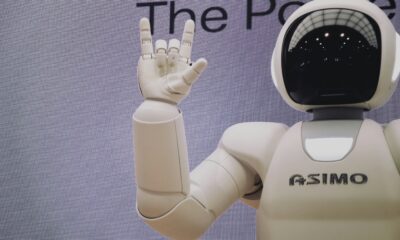
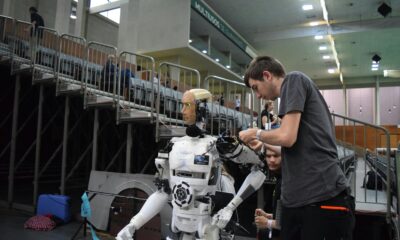
As humanoid robots become more integrated into our daily lives, their potential to improve various industries and sectors is undeniable. However, as with any emerging technology, the rise of humanoid robots brings with it a set of ethical concerns that need to be carefully considered. These concerns span a range of issues, including privacy, security, and biases in artificial intelligence (AI) algorithms. This article explores the ethical challenges associated with humanoid robots and how they could impact individuals, businesses, and society as a whole.
Privacy Issues and Data Collection
One of the most pressing concerns when it comes to humanoid robots is privacy. Many humanoid robots are equipped with a wide range of sensors, cameras, microphones, and other data-collecting tools that allow them to interact with their environment and users. While these sensors enable robots to perform complex tasks, they also collect vast amounts of personal data.
For example, humanoid robots deployed in retail environments may collect data about customers’ behaviors, preferences, and even facial expressions. Similarly, robots in healthcare settings may gather sensitive patient information to assist with diagnoses or treatments. This data, if mishandled or accessed by unauthorized parties, can compromise individuals’ privacy and lead to significant security risks.
Developers and businesses must ensure that the data is encrypted, securely stored, and used only for its intended purposes. Furthermore, users should be made aware of what data is being collected and have the option to opt-out of certain forms of data collection.
Security Concerns: The Risk of Hacking and Malfunctions
Another major concern related to humanoid robots is security. As humanoid robots become more interconnected with the internet and other digital systems, they become vulnerable to cyberattacks. Hackers could potentially gain access to a robot’s systems and manipulate it to perform malicious actions.
For example, if a humanoid robot is used in a home or office environment, a hacker could remotely take control of the robot and spy on occupants through its cameras and microphones. In more serious cases, a hacker could gain control of robots in critical settings such as hospitals, factories, or even military operations, leading to potential disasters.
Additionally, robots are not immune to technical malfunctions. Even without malicious interference, robots could malfunction due to software bugs, hardware failure, or misalignment with their intended functions. Such malfunctions could lead to safety issues, such as physical harm to people or damage to property. Therefore, ensuring that humanoid robots are secure from both external attacks and internal failures is a crucial ethical consideration.
To address these concerns, manufacturers must prioritize cybersecurity measures and invest in robust systems that can detect and prevent unauthorized access. Moreover, continuous testing and updating of robot software and hardware will be necessary to reduce vulnerabilities and ensure safe operation.
AI Bias and Discrimination
AI-powered humanoid robots rely on complex algorithms and machine learning models to make decisions and interact with humans. However, AI systems are not free from biases. In fact, one of the most significant ethical challenges facing humanoid robotics today is the issue of AI bias.
Biases in AI can occur for several reasons, such as biased training data or flawed algorithms. If a humanoid robot is trained on data that reflects existing social prejudices, it may reproduce and even amplify those biases in its actions. For example, if a humanoid robot is programmed to interact with customers and is trained on data that lacks diversity, it might struggle to understand and interact with individuals from certain demographic groups, leading to discrimination or exclusion.
In healthcare, biased algorithms can have even more dire consequences. A robot programmed to assist doctors in diagnosing patients may inadvertently provide incorrect or discriminatory recommendations based on biased data, leading to unequal treatment or misdiagnosis.
Addressing AI bias requires a proactive approach in which developers ensure that robots are trained on diverse and representative data sets. It also means creating algorithms that are transparent and explainable so that any potential biases can be identified and corrected. By developing fair and equitable AI systems, we can reduce the risk of discrimination and ensure that humanoid robots serve all individuals fairly and equally.
Human-Robot Interaction and Social Implications
The ethical considerations surrounding humanoid robots also extend to the impact of their presence on human relationships and social dynamics. One concern is the potential for humanoid robots to replace human workers, particularly in sectors like customer service, healthcare, and manufacturing. While automation can increase efficiency, it can also lead to job displacement, causing economic and social upheaval.
Humanoid robots might also affect human relationships on a more personal level. As robots become more human-like in their appearance and interactions, they could change the way people perceive relationships and companionship. For example, robots designed to provide care for the elderly or those with disabilities may form emotional bonds with their users, potentially replacing human caregivers or companions. While this can be seen as a positive development, it raises questions about the emotional well-being of individuals who form attachments to machines instead of humans.
Additionally, the use of humanoid robots in social settings may alter how people interact with each other. If robots are constantly present in environments like schools, hospitals, or workplaces, they may reduce face-to-face interactions among people, which could have unintended consequences for social dynamics and human connection.
The Need for Ethical Guidelines and Regulations
Given the ethical concerns associated with humanoid robots, it is essential that developers, policymakers, and society at large work together to establish ethical guidelines and regulations for their development and use. These regulations should focus on ensuring privacy, security, and fairness while addressing the social and psychological impact of humanoid robots.
One approach could be to develop international standards for humanoid robotics that address issues like data privacy, AI bias, and human-robot interactions. Additionally, governments could introduce regulations that require businesses and manufacturers to be transparent about how humanoid robots are used and how data is handled.
Furthermore, it is crucial that the ethical implications of humanoid robots are continually assessed as technology evolves. What may be considered ethically acceptable today may change as robots become more sophisticated and integrated into society. Regular reviews of policies and practices will help ensure that humanoid robots are used responsibly and for the benefit of all.
Conclusion
Humanoid robots hold immense promise for improving various industries, but their rise also brings ethical challenges that must be addressed. Privacy concerns, security risks, and AI bias are just a few of the critical issues that need to be carefully managed as humanoid robots become an increasingly prevalent part of our lives. By prioritizing ethics in the development and deployment of these robots, we can ensure that their benefits are maximized while minimizing potential harm.
As we continue to integrate humanoid robots into society, it is essential that we remain vigilant in addressing the ethical implications of their use. By developing clear guidelines, ensuring transparency, and working toward equitable AI systems, we can help shape a future where humanoid robots coexist with humans in a way that is both ethical and beneficial to all.