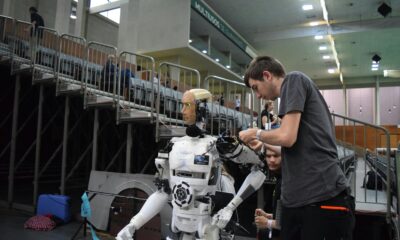
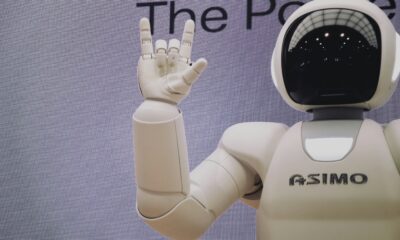
As we stand on the cusp of a new era in robotics, the future of humanoid robots promises exciting developments that could reshape industries, society, and the way we live our lives. In this article, we will explore what the future holds for humanoid robots, from breakthroughs in technology to potential ethical concerns and societal impacts.
Advancements in AI and Machine Learning
At the heart of humanoid robotics is AI, which enables robots to learn from their environment, process vast amounts of data, and make decisions autonomously. In the future, AI will continue to evolve, becoming more sophisticated and human-like. For example, AI algorithms may improve to such a degree that robots can exhibit advanced emotional intelligence, understanding and responding to human emotions in a more authentic and empathetic manner.
Machine learning will play a pivotal role in these advancements, allowing humanoid robots to constantly improve their performance and adaptability. As they interact with humans and environments, robots will become better at predicting outcomes, enhancing their ability to assist in various tasks, whether in healthcare, education, or customer service.
Improved Human-Robot Interaction (HRI)
One of the most critical aspects of humanoid robots is their ability to interact with humans in a natural and meaningful way. Currently, many humanoid robots are limited in their ability to engage with people beyond basic tasks. However, as technology progresses, the future of humanoid robots will see substantial improvements in HRI.
Through the integration of advanced AI, natural language processing (NLP), and machine learning, humanoid robots will be able to engage in more complex, context-aware conversations with humans. They will be able to understand and respond to not only verbal cues but also non-verbal ones, such as body language and facial expressions. This increased sensitivity to human interaction will make robots more effective in roles that require empathy, such as caregiving, customer service, and education.
Moreover, the next generation of humanoid robots will likely be designed with even more human-like features. From lifelike facial expressions to the ability to replicate human gestures and movement, these robots will become more relatable, fostering a deeper connection with the people they serve.
Versatile Applications Across Industries
As humanoid robots evolve, their potential applications will expand across virtually every sector. Industries that are already integrating humanoid robots, such as healthcare, retail, and manufacturing, will see even greater benefits as robots become more capable and cost-effective.
In healthcare, humanoid robots may evolve from assistants to full-fledged caregivers, providing companionship to elderly patients, assisting with rehabilitation, and even performing complex surgeries with greater precision than human doctors. Robots could help alleviate the burden on healthcare workers, particularly in aging societies where there is a shortage of caregivers.
In the retail industry, humanoid robots will continue to transform the shopping experience. Future robots could act as personal shopping assistants, guiding customers to products, offering real-time product information, and even making personalized recommendations based on customer preferences and past purchases. With the integration of advanced AI, these robots could offer a highly personalized and interactive shopping experience that rivals human customer service.
In manufacturing and logistics, humanoid robots will become more adept at performing tasks that require dexterity, precision, and flexibility. These robots could work side by side with human employees, taking over dangerous or repetitive tasks, allowing human workers to focus on more complex and strategic duties. With advancements in AI, humanoid robots will be able to navigate complex environments, optimize workflows, and help manage inventory more efficiently.
Ethical Considerations and Social Impacts
While the future of humanoid robots is exciting, it also raises several important ethical considerations. As robots become more integrated into society, questions about their impact on employment, privacy, and human relationships will become increasingly important.
One of the most significant concerns is the potential for job displacement. As humanoid robots take on more tasks traditionally performed by humans, there will be concerns about automation replacing jobs, particularly in low-wage industries. However, proponents argue that robots could also create new job opportunities in fields such as robotics development, maintenance, and programming. The key will be ensuring that society adapts to these changes and provides retraining opportunities for displaced workers.
Another critical ethical issue is privacy. Humanoid robots, especially those used in public spaces or homes, will collect vast amounts of data about their interactions with humans. This data could be used to improve the robot’s performance, but it could also raise concerns about surveillance and privacy breaches. Developers will need to implement robust security measures and transparent data usage policies to address these concerns.
Finally, as humanoid robots become more human-like, society will need to address the psychological implications of human-robot relationships. For example, as robots become more empathetic and capable of forming connections with humans, there may be concerns about people developing emotional attachments to robots. While robots could provide companionship for isolated individuals, such as the elderly, the question remains whether this could lead to unhealthy dependency or a reduction in human-to-human interactions.
The Role of Regulation and Governance
As the capabilities of humanoid robots continue to grow, the role of regulation and governance will become increasingly important. Governments and industry bodies will need to establish guidelines and regulations to ensure the safe, ethical, and responsible development and deployment of humanoid robots.
This includes creating standards for safety, privacy, and data security, as well as addressing issues like robot accountability in the case of accidents or malfunctions. Ethical frameworks will also need to be established to ensure that humanoid robots are designed and used in ways that benefit society as a whole.
International collaboration will be essential to ensure that regulations are consistent across borders, particularly as robots become more mobile and ubiquitous. A global approach to regulation will help address the challenges posed by humanoid robots and ensure that their integration into society is done responsibly and transparently.
Conclusion: A Future of Endless Possibilities
The future of humanoid robots is bright, with numerous advancements in AI, robotics, and human-robot interaction paving the way for a new era of automation and human augmentation. As humanoid robots become more advanced, they will continue to reshape industries, enhance productivity, and improve quality of life. However, it is essential to address the ethical, social, and regulatory challenges that come with their development.
In the coming years, humanoid robots will likely play an increasingly important role in healthcare, education, retail, manufacturing, and other sectors. As their capabilities expand, we can expect to see robots that are not only more intelligent and efficient but also more empathetic and human-like. The future of humanoid robots offers endless possibilities, and it will be exciting to see how these robots evolve and integrate into our daily lives.