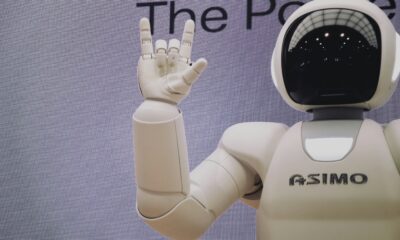
These robots are not only improving operational efficiency but also creating more personalized and engaging interactions between businesses and their customers. In this article, we will explore how humanoid robots are reshaping the retail landscape and revolutionizing customer service.
The Emergence of Humanoid Robots in Retail
The rise of humanoid robots in retail is driven by the need for businesses to stay competitive in an era where customer expectations are continually evolving. Customers today seek convenience, efficiency, and personalized service, and humanoid robots have proven to be valuable tools for meeting these demands. Retailers are leveraging robots to perform a variety of tasks, from greeting customers and assisting with shopping to managing inventory and helping with checkout.
One of the most prominent applications of humanoid robots in retail is their role as customer-facing assistants. These robots are equipped with advanced AI and natural language processing (NLP) capabilities, allowing them to interact with customers in a human-like manner. When a customer walks into a store, a humanoid robot may greet them with a friendly message, ask if they need assistance, or provide information about ongoing sales or promotions. Some robots even recognize returning customers, which allows them to offer personalized recommendations based on past purchases or preferences.
Enhancing Customer Experience with Interactive Features
Humanoid robots are designed to engage customers in more dynamic ways than traditional customer service representatives. With their expressive faces and ability to perform natural gestures, these robots can create a more interactive and engaging shopping experience. For example, a humanoid robot might guide customers through store aisles, offering directions and helping them find products more quickly.
Many robots in retail also use augmented reality (AR) technology to provide additional layers of information. Imagine a customer holding up a product, and the robot uses AR to display detailed information about the item, such as its features, reviews, and available colors or sizes. This not only helps customers make more informed purchasing decisions but also elevates the level of engagement they experience.
Humanoid robots can also assist with various in-store tasks, such as managing queues or providing instructions on how to navigate the store. In larger stores, where customers may feel overwhelmed by the sheer number of aisles and products, humanoid robots can act as friendly guides, making the shopping process much more convenient and enjoyable.
Streamlining Operations with Automation
In addition to their customer-facing roles, humanoid robots are being deployed behind the scenes to streamline retail operations. Automation is one of the key drivers of efficiency in modern retail, and humanoid robots are helping businesses optimize various processes such as inventory management, restocking, and order fulfillment.
For example, some humanoid robots are equipped with sensors that allow them to navigate store aisles and scan shelves to assess product levels. When stock is running low, the robot can notify store employees to restock the shelves, ensuring that products are always available for customers. This level of automation helps retailers avoid stockouts and maintain a smooth, uninterrupted shopping experience.
Humanoid robots are also being used to handle checkout duties in certain stores. Instead of waiting in line for a cashier, customers can simply approach a robot, scan their items, and complete their purchases in a fraction of the time it would take at a traditional checkout. The robot can even provide receipts and handle payment, further simplifying the checkout process and improving the overall customer experience.
Personalization and Customer Engagement
Personalization is a key element in modern retail. With the help of humanoid robots, businesses can offer tailored experiences to their customers, ultimately driving greater customer loyalty and satisfaction. By integrating robots with customer data and AI algorithms, retailers can provide personalized product recommendations and offers based on customers’ preferences, purchase history, and browsing behavior.
For instance, a humanoid robot may be able to suggest new clothing items to a customer based on their past purchases or recommend accessories that complement a previous purchase. This level of personalized service is typically associated with high-end retail experiences, but humanoid robots are bringing it to the masses, offering customers a VIP treatment at everyday retailers.
Moreover, humanoid robots can engage with customers on a deeper emotional level by utilizing AI-powered recognition software. This software can analyze facial expressions and voice tones to gauge a customer’s mood and adjust its responses accordingly. If a customer appears frustrated or confused, the robot may offer additional assistance or suggest that they speak with a human associate for more complex inquiries. By adapting to customer emotions, humanoid robots create a more empathetic and supportive environment, fostering stronger customer relationships.
Cost-Effectiveness and Scalability for Retailers
Humanoid robots offer a range of cost-saving benefits for retailers, especially in environments where labor shortages are a concern. With robots performing basic customer service tasks, businesses can free up their human employees to focus on more complex or high-value tasks, such as handling customer complaints or managing more sophisticated queries. This leads to improved productivity and allows businesses to reallocate their workforce in a way that maximizes efficiency.
Additionally, humanoid robots are easily scalable. Once a successful deployment model is established in one location, it can be replicated across multiple stores with minimal effort. Whether it’s a single store or a chain of locations, robots can be deployed at scale, maintaining consistent service quality and reducing the need for extensive training programs for new employees.
While the initial investment in humanoid robots may be significant, businesses that implement these robots can benefit from long-term savings. Robots do not require breaks, health insurance, or other benefits associated with human employees, making them a cost-effective solution for retailers seeking to improve operational efficiency.
Challenges and Limitations
Despite their many benefits, humanoid robots in retail are not without challenges. The high upfront cost of purchasing and implementing humanoid robots remains a significant barrier for some businesses. Additionally, maintaining and updating robots requires specialized technical knowledge, and businesses must be prepared to invest in ongoing maintenance and support.
Another challenge is ensuring that robots can effectively handle a wide range of customer inquiries and tasks. While humanoid robots are becoming increasingly advanced, they are still limited in terms of the complexity of their interactions. They may struggle with highly nuanced or emotional customer needs, and in some cases, customers may prefer to interact with human staff.
The Future of Humanoid Robots in Retail
As humanoid robot technology continues to improve, their role in retail is expected to expand. In the future, we may see robots that can offer even more advanced forms of customer engagement, such as virtual try-ons, personalized shopping assistants, or even robots that can learn from past interactions to offer a more tailored shopping experience.
Moreover, the integration of humanoid robots with other emerging technologies, such as augmented reality (AR) and the Internet of Things (IoT), could revolutionize how customers interact with products and brands. For example, robots could provide AR-based visualizations of products, allow customers to virtually try on clothes, or offer live demonstrations of complex products.
As the retail industry continues to evolve, humanoid robots are set to play a key role in shaping the future of customer service and retail operations.