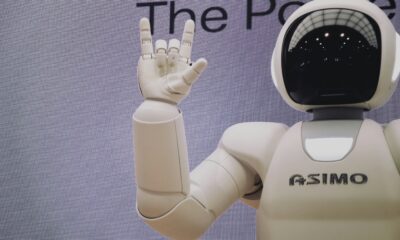
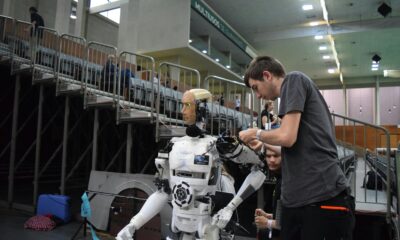
With the rise of smart homes and automation, humanoid robots are being explored as the next evolution in home assistance. While voice assistants like Alexa and Google Home have already integrated AI into households, humanoid robots promise a more interactive and functional experience.
1. The Evolution of Smart Home Assistants
The concept of smart home automation has evolved rapidly over the past decade.
-
Early automation: Remote-controlled lighting, thermostats, and security systems were among the first home automation technologies.
-
Voice assistants: Devices like Amazon Echo, Google Home, and Apple’s Siri introduced voice-controlled AI assistance.
-
AI-driven automation: Smart homes now feature machine learning-based automation that adapts to user habits and preferences.
The next step in this evolution could be humanoid robots, which combine the power of AI with mobility, enabling them to perform physical tasks.
2. What Can Humanoid Robots Do in Smart Homes?
Unlike stationary voice assistants, humanoid robots can interact with household objects and perform various tasks.
1. Household Chores
Humanoid robots could assist with:
-
Cleaning floors and surfaces
-
Washing dishes and handling laundry
-
Organizing and tidying up rooms
While robotic vacuum cleaners like Roomba exist, a humanoid robot could perform more complex cleaning tasks.
2. Cooking and Food Preparation
Future robots may:
Companies like Moley Robotics are already developing robotic kitchen arms capable of cooking gourmet meals.
3. Security and Surveillance
A humanoid robot could enhance home security by:
-
Patrolling the home while the owner is away
-
Detecting unusual activity and sending alerts
-
Communicating with emergency services if needed
Facial recognition and AI-based anomaly detection would make these robots highly effective for security purposes.
4. Personal Assistance and Companionship
Beyond tasks, humanoid robots could provide:
-
Elderly care by assisting with mobility and medication reminders
-
Emotional support through AI-driven conversations
-
Entertainment by playing music, reading stories, or even teaching new skills
In aging populations, humanoid robots could serve as companions, reducing loneliness and increasing independence.
3. Challenges in Implementing Humanoid Home Assistants
Despite the potential benefits, several challenges must be overcome before humanoid robots become common in homes.
1. Cost and Affordability
Currently, advanced humanoid robots cost tens of thousands of dollars, making them inaccessible to most households. As production scales, prices may decrease, similar to how smart home devices became more affordable over time.
2. AI and Decision-Making Limitations
While AI has made great strides, it still struggles with:
-
Complex reasoning and problem-solving
-
Understanding nuanced human emotions
-
Adapting to unpredictable household environments
Advancements in AI and machine learning will be necessary for humanoid robots to function smoothly in diverse home settings.
3. Privacy and Security Concerns
A humanoid robot in the home would collect vast amounts of data about its users. Key concerns include:
-
Protection against hacking or unauthorized access
-
Ethical considerations regarding data storage and usage
-
User trust in AI-driven decision-making
Developers must implement strict security protocols and transparent data policies to ensure user confidence.
4. Physical Limitations
While robots like Tesla’s Optimus and Boston Dynamics’ Atlas showcase impressive mobility, humanoid robots still face challenges in:
-
Handling delicate objects without breaking them
-
Navigating complex, cluttered environments
-
Performing tasks as efficiently as humans
Further advancements in robotics engineering will be required to enhance dexterity and adaptability.
4. The Future of Humanoid Robots in Smart Homes
As AI and robotics technology progress, humanoid robots will become more practical for everyday home use. Key developments to watch for include:
-
Affordable models for consumers: Companies are working on making humanoid robots cost-effective for home environments.
-
Integration with existing smart home ecosystems: Robots will likely connect with existing AI assistants like Alexa and Google Assistant.
-
Customization and personalization: AI will adapt robots to individual user preferences, improving their effectiveness.
-
Advanced emotional AI: Robots will develop better conversational skills and emotional intelligence, making them more human-like in interactions.
While fully autonomous humanoid home assistants may still be years away, the transition from static smart devices to mobile robotic helpers is already underway.
Humanoid robots have the potential to revolutionize smart homes, offering more than just voice commands and automation. By combining AI with physical capabilities, they could assist with household chores, security, companionship, and much more. However, challenges like cost, AI limitations, and privacy concerns must be addressed before they become widespread.
The future of humanoid home assistants is promising, and as technology advances, we may soon see robots seamlessly integrated into everyday domestic life.