This article explores the key factors that contribute to the cost of building a humanoid robot, including materials, labor, and research and development (R&D).
Materials and Components: The Building Blocks of a Humanoid Robot
One of the most significant costs associated with building a humanoid robot is the materials used to construct its physical body. Robots need to be durable, lightweight, and capable of mimicking human movement, which requires advanced materials such as high-strength metals, polymers, and composite materials.
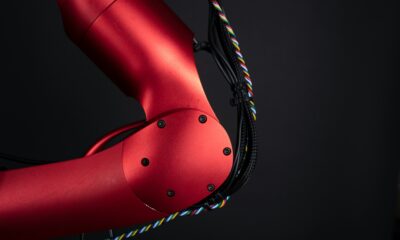
The skeleton of a humanoid robot, often referred to as its exoskeleton, is typically made from lightweight materials such as aluminum or carbon fiber. These materials are strong enough to support the robot’s structure while also allowing it to move fluidly. For example, the actuators, which enable movement in the joints, often require specialized materials that can withstand constant mechanical stress while remaining responsive.
In addition to the exoskeleton, humanoid robots also need sensors, motors, and actuators to give them the ability to perceive their environment and carry out tasks. Sensors like cameras, LiDAR, and infrared sensors are crucial for navigation, obstacle avoidance, and object recognition. These sensors alone can cost thousands of dollars, depending on their quality and sensitivity.
Motors and actuators, which provide movement and control, are another significant expense. These components are responsible for simulating human-like movement, such as walking, grasping, and gesturing. The complexity of these actuators, particularly when it comes to replicating natural human motion, adds to the cost of building a humanoid robot.
The robot’s power source, such as lithium-ion batteries, also contributes to the overall cost. These batteries must be capable of providing enough power to run the robot’s motors and sensors for an extended period, which requires high-performance cells. Energy management systems, which regulate the power usage of the robot, further increase the complexity and cost of the design.
Labor Costs: Skilled Engineers and Technicians
The construction of humanoid robots requires a team of highly skilled engineers, technicians, and designers who can bring together all the components into a functional whole. Labor costs for these professionals can be substantial, as the expertise needed to design, build, and test humanoid robots is specialized and in high demand.
Mechanical engineers are responsible for designing the robot’s exoskeleton and movement systems, ensuring that the robot can walk, balance, and perform other human-like actions. Electrical engineers work on integrating the robot’s sensors, actuators, and power systems, while software engineers develop the artificial intelligence (AI) that enables the robot to interact with its environment and perform tasks autonomously.
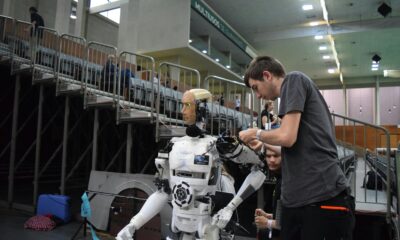
In addition to engineers, other skilled workers are needed to assemble and test the robot, such as robotic technicians, fabricators, and quality control experts. The assembly of a humanoid robot involves precise calibration of components, testing the functionality of sensors and actuators, and troubleshooting any issues that arise during the build process.
Given the high level of expertise required, the labor costs involved in building a humanoid robot can be significant. Engineers and technicians working on cutting-edge robotics projects often command high salaries, and the development timeline for these robots can span several years. As a result, labor costs often represent a significant portion of the overall cost of building a humanoid robot.
Research and Development (R&D): Pushing the Boundaries of Technology
Research and development (R&D) is another major factor contributing to the cost of humanoid robots. Developing new technologies and innovations to make robots more capable and efficient requires substantial investments in research, experimentation, and testing.
One of the most expensive aspects of R&D in humanoid robotics is AI development. To create a humanoid robot that can understand and respond to human commands, navigate its environment, and perform complex tasks, AI algorithms must be developed and trained. Machine learning, computer vision, natural language processing, and decision-making algorithms are just a few of the technologies that need to be developed to give robots the intelligence needed to function autonomously.
AI development often requires large amounts of data to train algorithms, and the process can take years. It also requires advanced computing power, which can be costly. Researchers often need access to powerful servers and specialized hardware to run simulations and process vast amounts of data. Additionally, maintaining and updating AI systems throughout the lifecycle of the robot adds to the ongoing cost of development.
Another area of R&D that drives up costs is the improvement of robot mobility. While many humanoid robots can already perform basic movements, such as walking and picking up objects, there is still much work to be done in terms of perfecting these movements to match the fluidity and efficiency of human motion. Researchers are continually developing new technologies for better locomotion, balance, and dexterity, which requires testing, prototyping, and iteration.
Human-robot interaction is another area of active research, as developers seek to create robots that can communicate naturally and effectively with people. This includes advancements in speech recognition, emotional intelligence, and social interaction. Researching how humanoid robots can respond to human emotions and adjust their behavior accordingly is both a complex and costly endeavor.
Prototyping and Testing: Iterating the Design
Once the robot’s design is complete, prototyping and testing are essential steps in the development process. Prototypes allow engineers to assess how well the robot performs in real-world conditions and identify any issues that need to be addressed. This phase can be expensive, as it often involves creating multiple versions of the robot and running extensive tests to evaluate their functionality, durability, and performance.
Testing involves not only assessing how well the robot performs its intended tasks but also how it interacts with humans. Safety testing is particularly important, as humanoid robots need to be programmed to avoid causing harm to people or damaging property. The cost of prototyping and testing can quickly add up, particularly when issues arise that require significant redesign or modification.
The Future of Humanoid Robot Costs
As technology advances and the robotics industry matures, the costs of building humanoid robots may decrease. Mass production, economies of scale, and improvements in manufacturing techniques could lead to lower prices for materials and components. Additionally, advancements in AI and machine learning algorithms may make it easier and cheaper to develop intelligent robots.
However, even as the costs of some components decrease, new challenges will likely emerge. For example, as humanoid robots become more advanced, the need for specialized, high-performance materials may increase. Moreover, as robots become more capable, the complexity of their design and development will likely rise, keeping R&D costs high.
In the long term, the widespread adoption of humanoid robots in various industries may lead to a more competitive market, potentially lowering prices for consumers. However, the initial investment required to develop cutting-edge humanoid robots will likely remain high for the foreseeable future.
Conclusion: A Costly Yet Promising Future
The cost of building a humanoid robot is a reflection of the complexity and sophistication involved in their design and development. Materials, labor, and R&D all contribute to the high price tag associated with these robots, making them a significant investment. However, as technology advances, the cost of building humanoid robots may decrease, making them more accessible for industries and consumers alike.
While the upfront cost of humanoid robots remains a barrier, their potential to transform industries such as healthcare, manufacturing, and entertainment makes them an exciting investment for the future. As more resources are dedicated to improving the affordability and efficiency of humanoid robots, we can expect to see these advanced machines become an integral part of our daily lives in the years to come.















James
2016-10-07 at 11:27 AM
Hi